|
The Persian Silk Tree (Albizia julibrissin) or Mimosa is a Category 1 FLEPPC invasive species that is common throughout North and Central Florida. It may look pretty, but quickly grows to over 50-feet and is difficult to get rid of once it's established.
0 Comments
Tickseed (Coreopsis sp.) is a common flower along the edges of Freshwater Marshes and in Pine Flatwoods communities throughout Florida. This genus is a member of the Asteraceae family and is popular with various insects (bees, butterflies, etc). I believe the species pictured below is Leavenworth's Tickseed (Coreopsis leavenworthii, FACW). 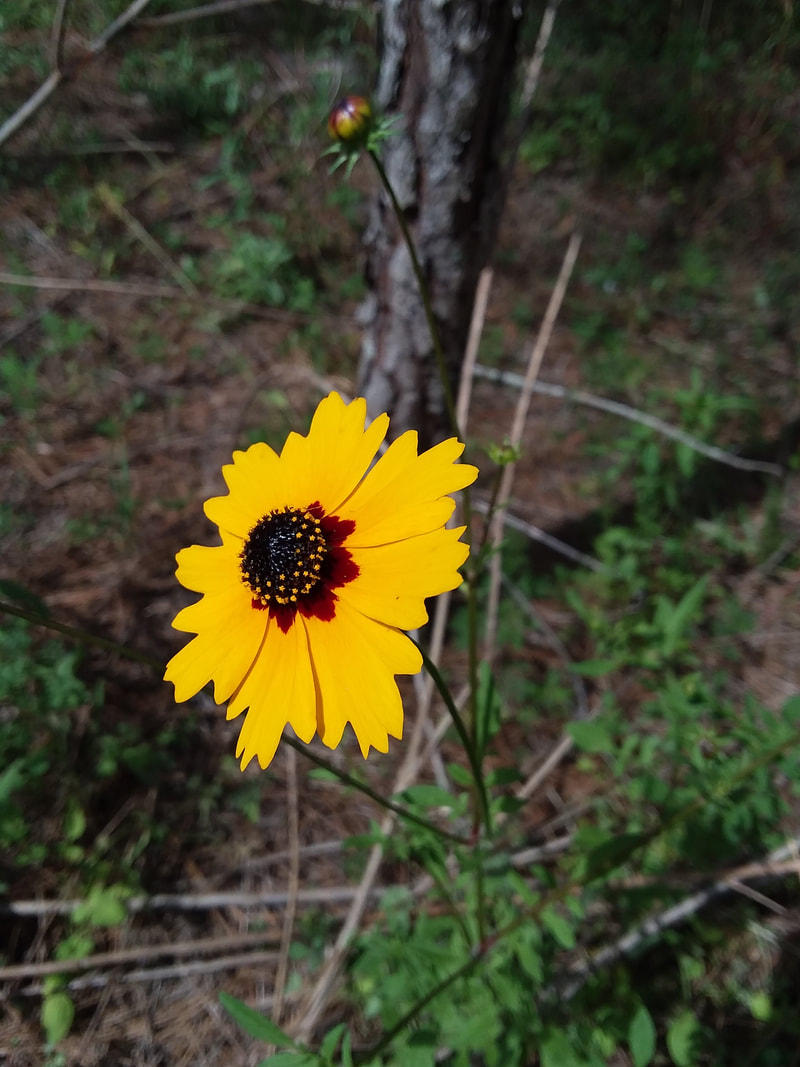 Swamp Butterwort (Pinguicula planifolia, OBL) is listed as Threatened with the State. It typically occurs in frequently flooded areas around Florida's panhandle. Pictures were taken on a recent job near Crestview, FL. 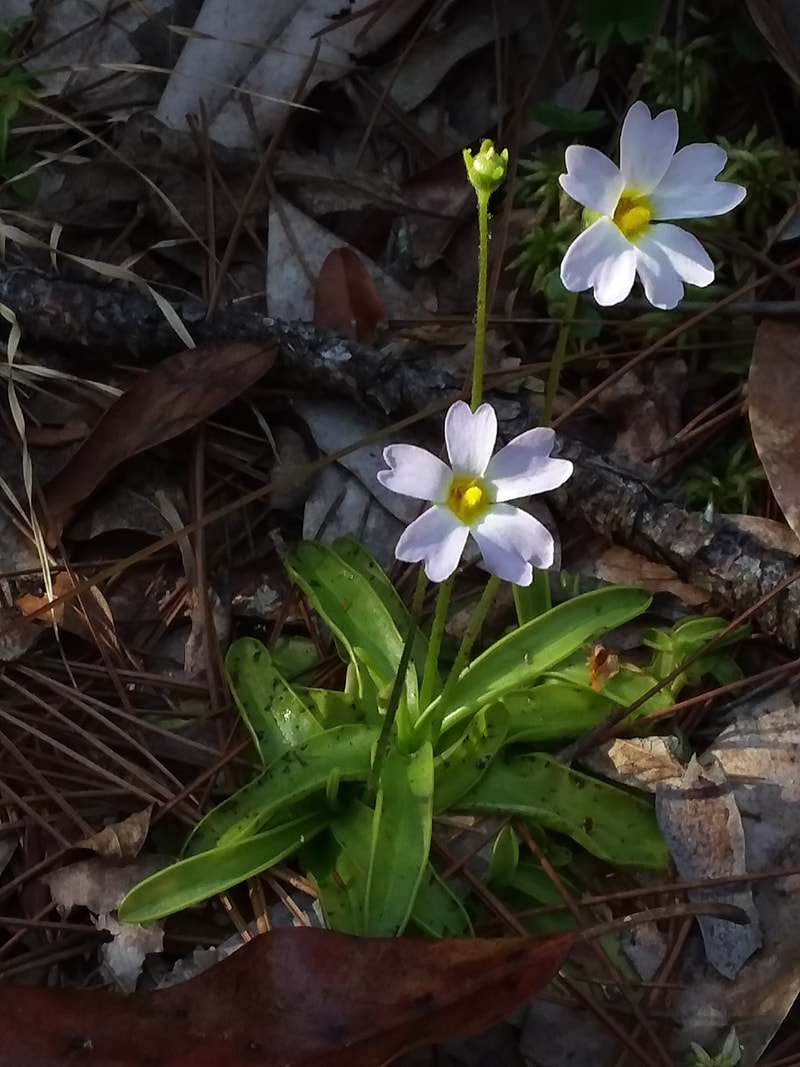 White Fringe Tree (Chionanthus virginicus, FACU) also known as Old Man's Beard is a native shrub (5-20-ft tall). When in bloom (spring), it's drooping clusters of white blossoms demand attention. However, the rest of the time it can be difficult to find. We recently discovered some in bloom (pictured) while in the panhandle. It can be found throughout much of north and central Florida. 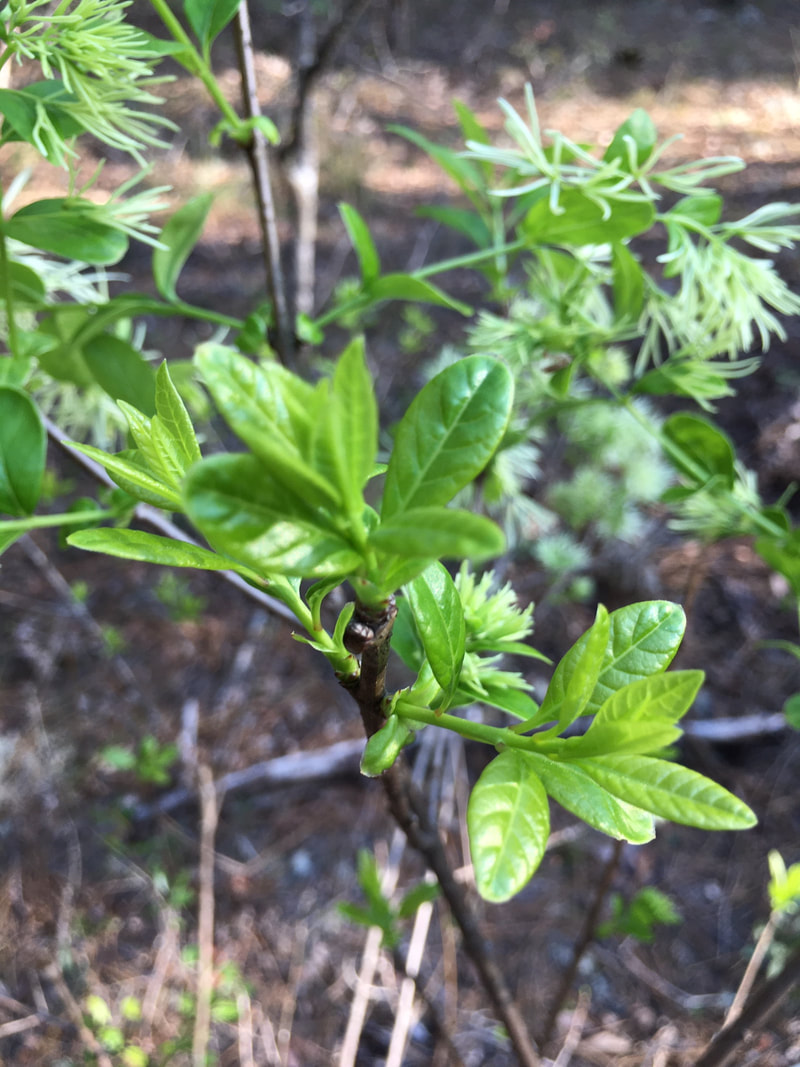 Bluestem Prickly Poppy (Argemone albiflora) or White Prickly Poppy can be found throughout much of Florida in well-drained, upland soils. It's low watering requirements and toxicity to wildlife make it a particularly good wild flower option for backyard gardeners with very sandy soils. 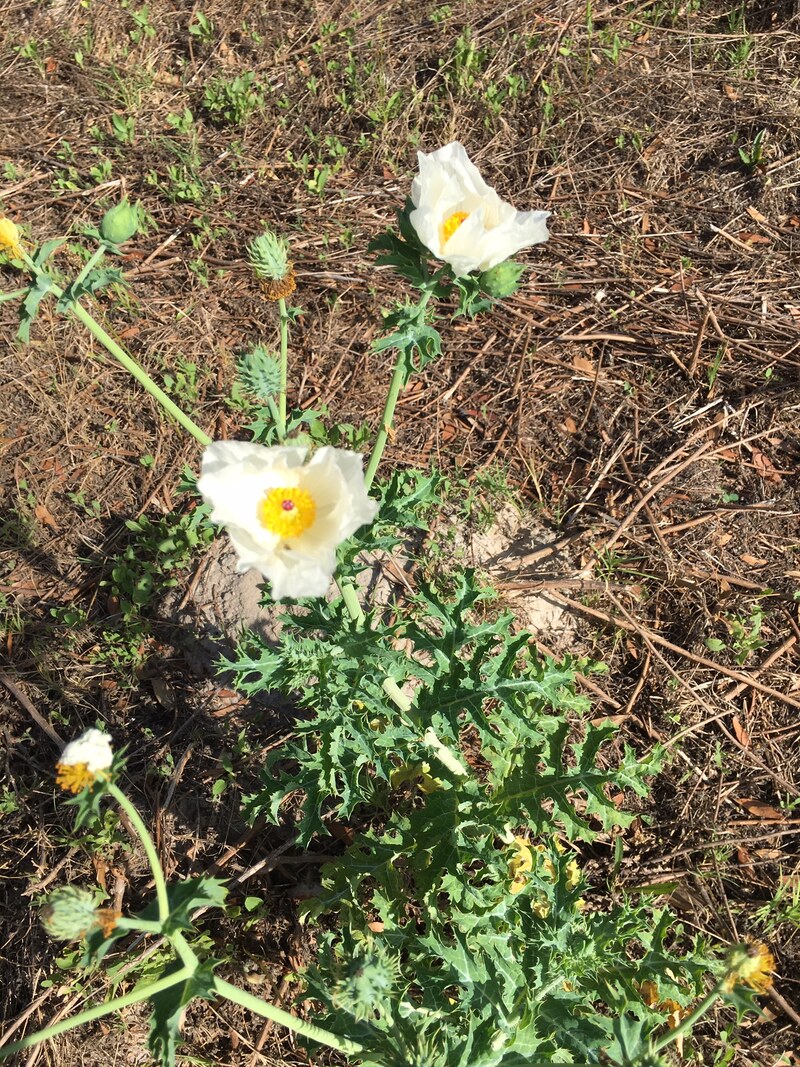 Well, perhaps not by popular demand but instead by increased availability caused by the Covid-19 pandemic, we are happy to reintroduce the Verde "Native Plant of the Week" and "Invasive Species of the Month" posts. We are going to try to get these out on a regular basis again starting this week. Also, we are planning on adding an "Endangered/Threatened Species of the Month" series of posts to this blog. Hope everyone out there is staying safe and practicing social distancing like Mr. Pelican so we can get back to normal soon! 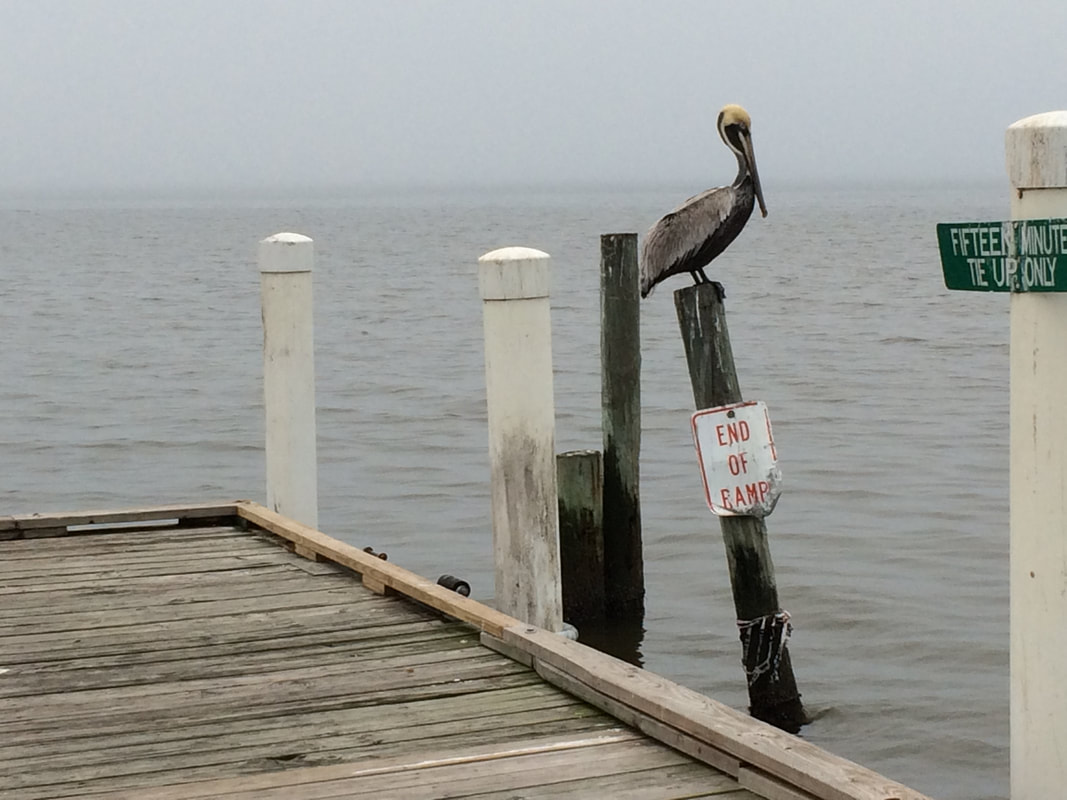 Bracken fern (Pteridium aquilinum, FACU) is another common native fern in Florida. However, this fern usually occurs in uplands. The fern's fiddleheads (immature tightly curled emerging fronds) are consumed, either cooked or pickled, in many cultures around the world. 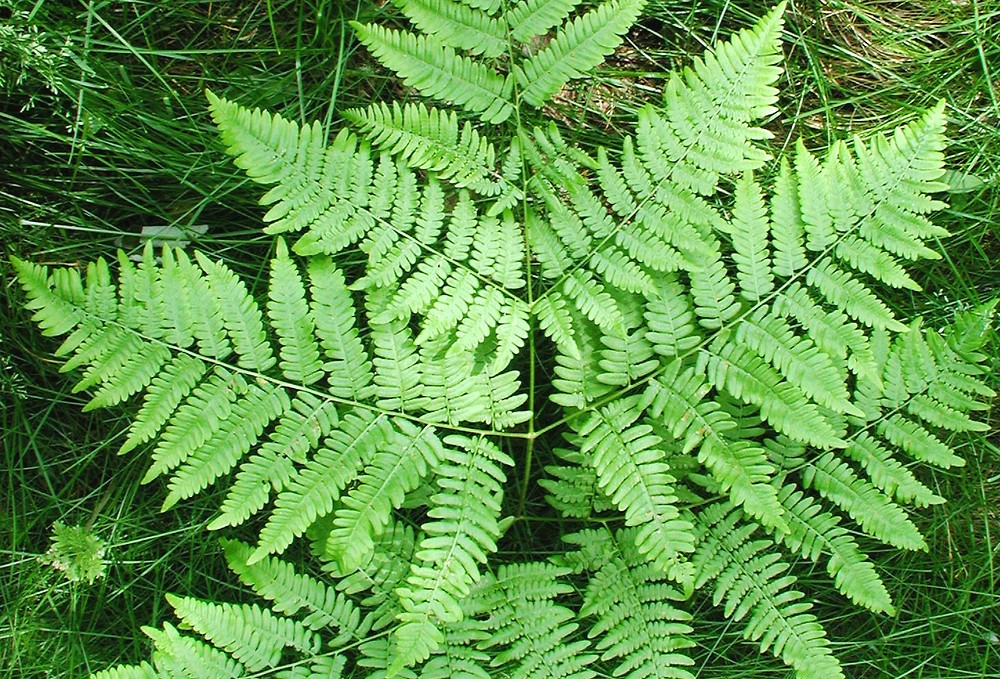 Cinnamon fern (Osmundastrum cinnamomeum, FACW) is one of the more common ferns that typically occurs in and around wetlands. It is a living fossil with geologic records dating as far back as 180 million years ago. It grows in clumps with the cinnamon-colored, fertile fronds arising from its center. 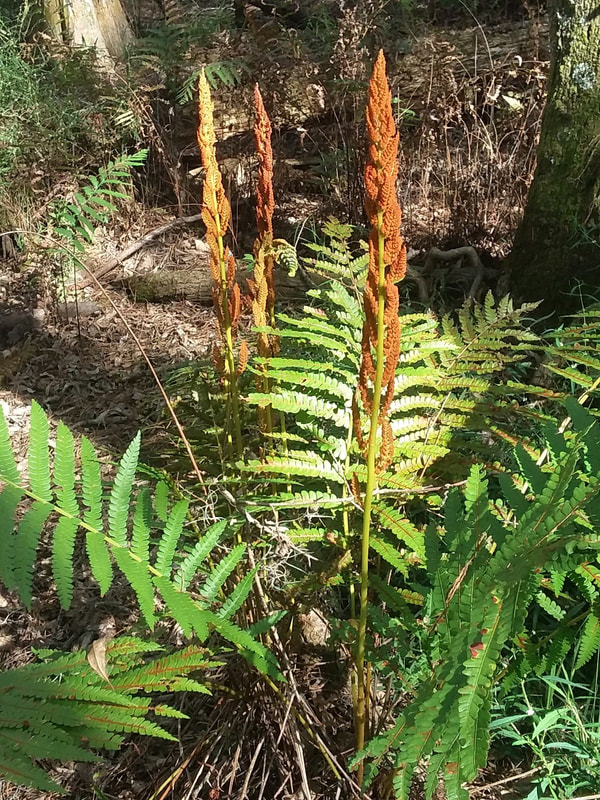 Caesarweed or Congo jute (Urena lobata, FAC) is a Cat. 1 FLEPPC invasive. It has spread worldwide due to it's highly effective hitch-hiking bur seed. The stalk is very fibrous and can be used to create extremely strong cordage. As you may have guessed, it is in the same family as the Hibiscus (Malvaceae).
Dog fennel, or occasionally called mayweed (Eupatorium capillifolium, FAC), is a perennial herbaceous plant in the sunflower family. Don fennel is highly toxic to the liver. However, as an essential oil it has strong anti-fungal properties. 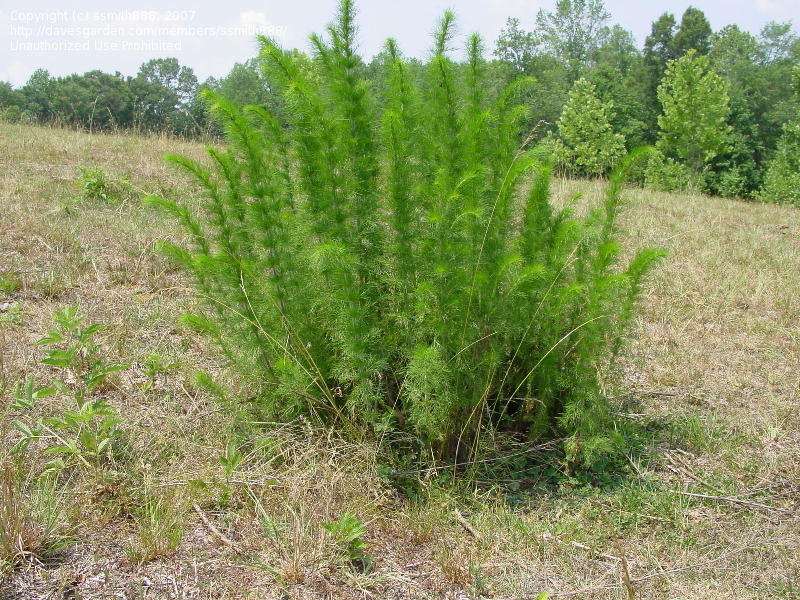 |
Scott BlanfordCOO Verde Environmental Archives
September 2020
Categories |

|
Recent Projects/Blog |
 RSS Feed